
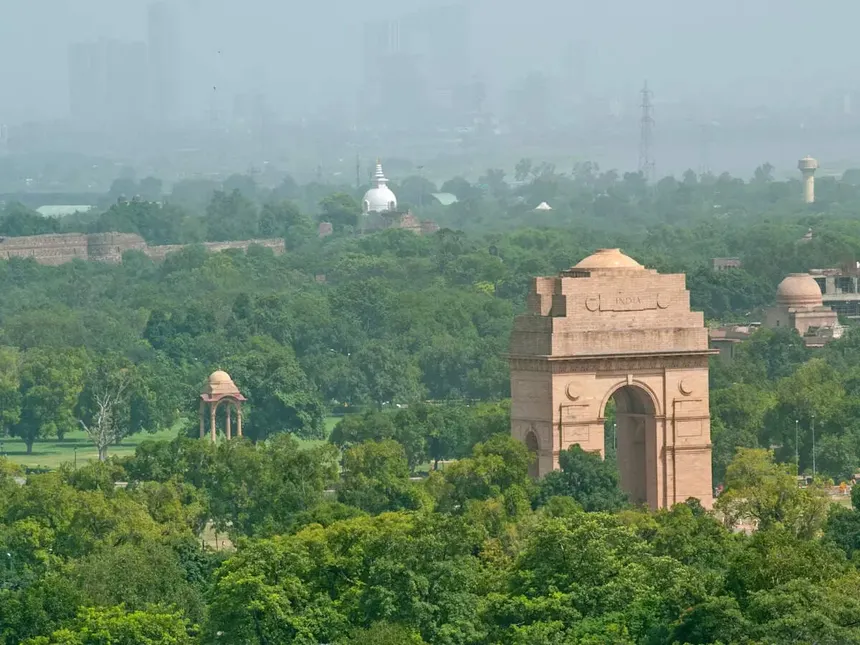
Delhi, the vibrant capital of India, is a fascinating blend of history, culture, food, architecture, and modern attractions. Whether you are a history buff, a foodie, a shopaholic, or a spiritual traveler, Delhi has something special for you.
Here’s a curated list of the 10 best places to visit in Delhi that should definitely be on your itinerary.
1. Red Fort (Lal Qila)
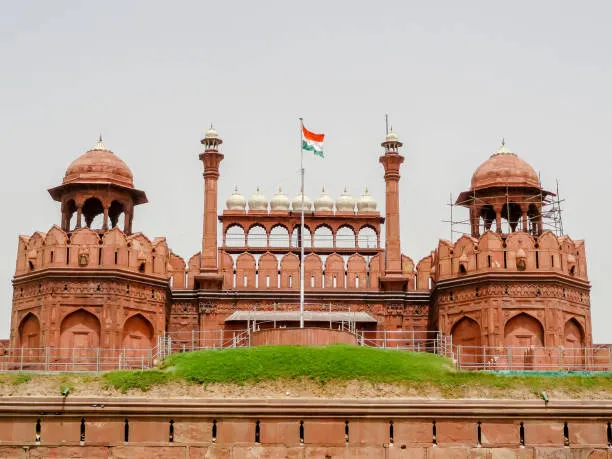
The Red Fort, a UNESCO World Heritage Site, is Delhi’s most iconic monument and an enduring symbol of India’s rich past. Constructed by the Mughal Emperor Shah Jahan in 1648, the fort is famous for its breathtaking architecture and immense cultural significance. Its imposing red sandstone walls stretch over two kilometers, guarding a world of palaces, museums, and lush gardens.
Walking through its arched gateways—particularly the Lahori Gate—feels like stepping back in time. Inside, the Diwan-i-Aam (Hall of Public Audience), Diwan-i-Khas (Hall of Private Audience), and the Rang Mahal (Palace of Colors) showcase the luxury and grandeur of the Mughal era.
One of the highlights is the Sound and Light Show, an immersive experience held every evening that narrates the fort’s history. The storytelling, combined with vibrant lights and music, creates a magical atmosphere that appeals to all ages.
Travel tip: Arrive early to explore at a relaxed pace, as the fort can get crowded, especially in the afternoons and weekends.
2. India Gate
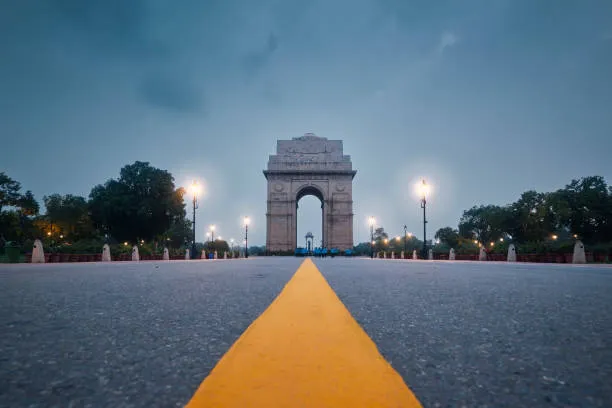
Located in the heart of New Delhi, India Gate is a national monument dedicated to the soldiers who sacrificed their lives in World War I. Designed by Sir Edwin Lutyens, this 42-meter-tall structure resembles the Arc de Triomphe in Paris, but carries its own unique cultural importance.
Surrounding India Gate are sprawling lawns that make it a popular spot for families, couples, and evening strollers. At night, the monument glows beautifully under floodlights, and the nearby fountains enhance the overall ambiance.
The Amar Jawan Jyoti, the eternal flame that burns beneath the arch, stands as a solemn reminder of the country’s brave heroes. The area also hosts many public events, parades, and festivals, making it a lively cultural zone.
Best time to visit: Early morning for a peaceful walk, or late evening to enjoy the illuminated monument and cool breeze.
3. Qutub Minar
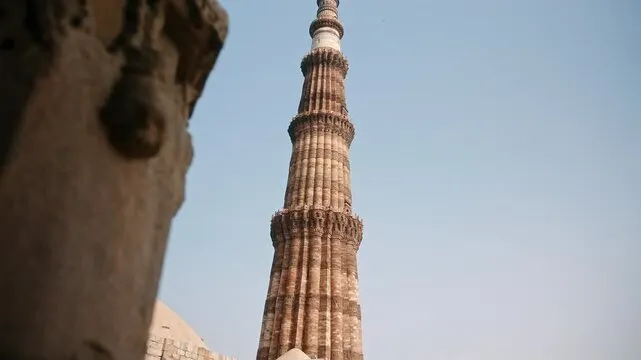
Standing tall at 73 meters, Qutub Minar is one of the most striking examples of Indo-Islamic architecture and another celebrated UNESCO World Heritage Site in Delhi. Built in 1193 by Qutb-ud-din Aibak, the minaret features five stories, each marked by a projecting balcony and adorned with intricate carvings and Quranic inscriptions.
The surrounding Qutub complex is equally fascinating. It houses the Iron Pillar—famously known for not rusting even after 1600 years—the Quwwat-ul-Islam Mosque (the first mosque built in India), and several ancient tombs and ruins that tell stories of a long and layered history.
The lush green lawns and historic backdrop make Qutub Minar a favorite among photographers and architecture lovers. The monument beautifully blends history with scenic charm, making it a must-visit attraction in Delhi.
Fun fact: Qutub Minar slightly leans to one side, making it an architectural wonder that continues to intrigue historians.
4. Humayun’s Tomb
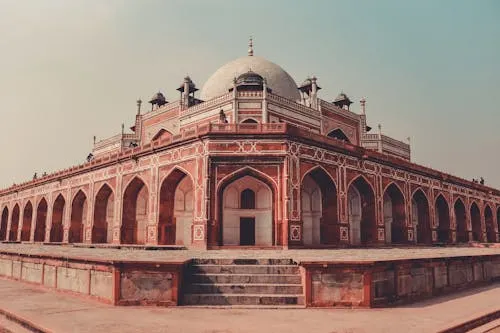
Often described as the precursor to the Taj Mahal, Humayun’s Tomb is a masterpiece of Mughal architecture. Built in 1570, this tomb was the first garden-tomb in the Indian subcontinent and introduced Persian-style architecture to Mughal India. It is also a UNESCO World Heritage Site, known for its symmetry, magnificent domes, and ornate marble work.
The tomb sits at the center of a large garden laid out in the classical charbagh (four-part) style. The pathways, water channels, and carefully maintained lawns make it a peaceful retreat for those seeking a blend of history and tranquility. The complex also includes smaller tombs and structures, such as Isa Khan’s Tomb, which predates Humayun’s and showcases exquisite craftsmanship.
Humayun’s Tomb is especially spectacular during early morning or late afternoon when the sunlight creates magical reflections on the marble facade.
Recommended for: Architecture enthusiasts, photographers, and anyone who appreciates calm historical spaces.
5. Lotus Temple
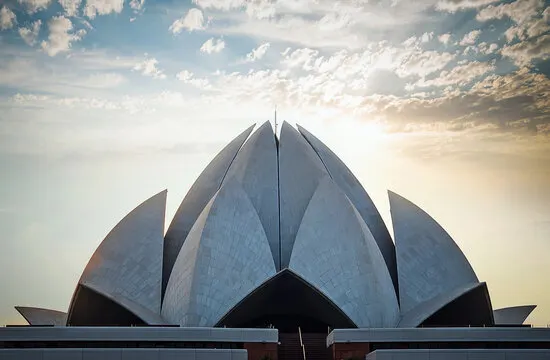
Unlike traditional temples, the Lotus Temple stands out for its modern, minimalist beauty. Designed in the shape of a lotus flower, this Bahá’í House of Worship is made of white marble and surrounded by nine pools of water. Its award-winning architecture attracts millions of visitors every year.
The interior of the temple is a large prayer hall where silence is strictly maintained. People from all religions and backgrounds are welcome to sit, meditate, or simply soak in the serenity. The peaceful environment offers a refreshing escape from the busy streets of Delhi.
The temple also promotes unity, inclusiveness, and communal harmony—key principles of the Bahá’í faith.
Tip: Avoid peak afternoon hours during summer, as the queue can be long.
6. Akshardham Temple
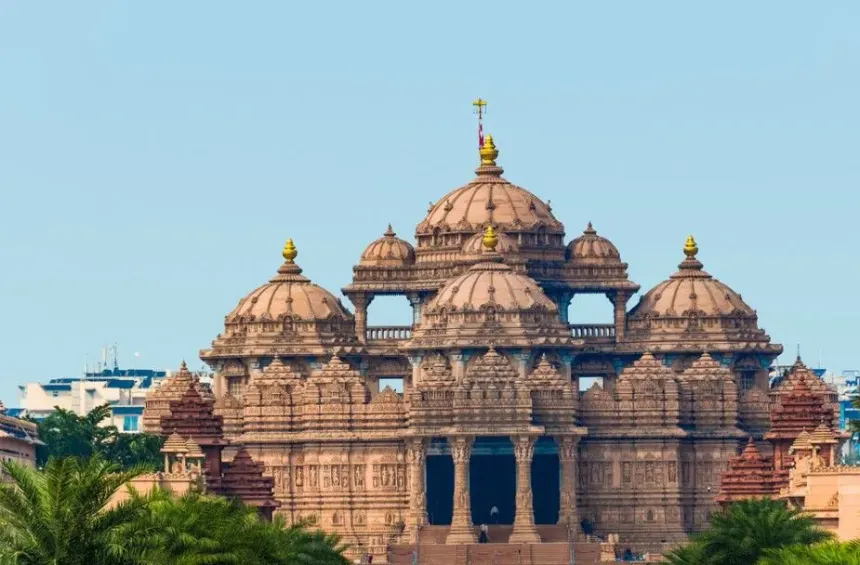
Akshardham Temple is not just a place of worship—it’s an experience. Opened in 2005, this temple complex is one of the largest in the world and showcases intricate carvings, traditional stone architecture, cultural exhibitions, and lush gardens.
The main temple, built without the use of steel, is adorned with over 20,000 sculptures of gods, dancers, animals, and mythological figures. Highlights include the boat ride (Sanskruti Darshan), which takes visitors through 10,000 years of Indian culture, and the musical fountain show (Sahaj Anand) held after sunset.
Akshardham is a destination that appeals to families, tourists, and spiritual seekers alike, but do note that photography and mobile phones are strictly not allowed inside the temple complex.
Best time to visit: Late afternoon—stay for the evening fountain show.
7. Chandni Chowk & Old Delhi
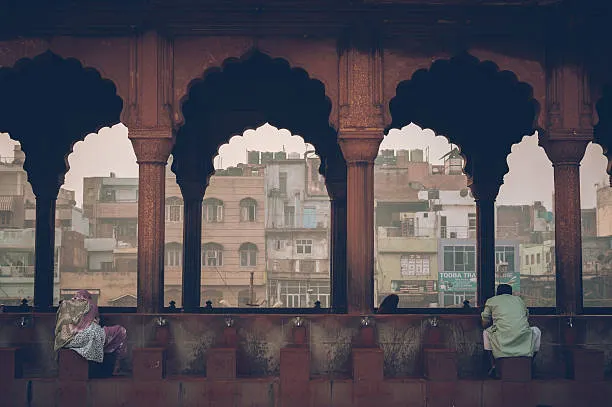
No trip to Delhi is complete without experiencing the vibrant chaos of Chandni Chowk, one of the city’s oldest and busiest markets. Established in the 17th century by Shah Jahan, this area is a paradise for food lovers, shoppers, and those wanting to experience Delhi’s old-world charm.
The narrow lanes of Chandni Chowk are filled with shops selling jewelry, textiles, spices, perfumes, and traditional Indian wear. The market is also famous for its diverse street food—from parathas and jalebis to kebabs and chaat.
Nearby landmarks such as Jama Masjid, Fatehpuri Masjid, and the historic Khari Baoli spice market add to the allure of Old Delhi. The area may feel overwhelming for first-time visitors, but it offers an unmatched cultural experience.
Must-try foods: Paranthe Wali Gali parathas, Karim’s kebabs, Daulat ki Chaat (seasonal), and creamy lassi.
8. Connaught Place (CP)
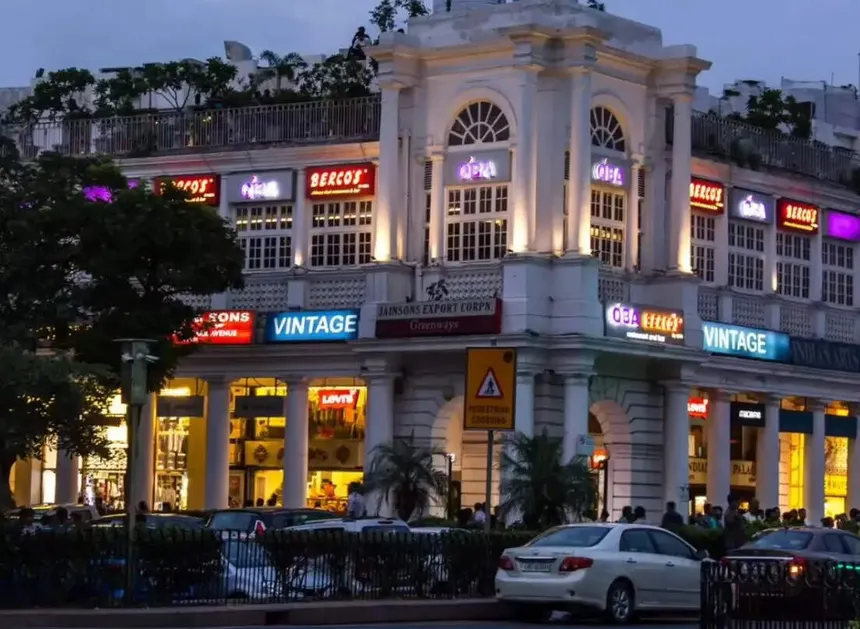
Connaught Place, commonly known as CP, is one of Delhi’s most upscale commercial and shopping districts. With its circular design and white colonial-style architecture, CP is reminiscent of European city centers. It’s home to high-end stores, restaurants, cafés, bars, and popular street markets like Janpath.
Whether you want to enjoy a meal at a trendy café, shop for handicrafts, watch a movie, or simply relax in Central Park, CP offers a wide range of activities. The area comes alive at night, with music, lights, and the lively energy of Delhi’s nightlife.
Nearby attractions include Agrasen ki Baoli, a mysterious ancient stepwell that has gained popularity in recent years.
Perfect for: Food lovers, shoppers, and people looking to experience modern Delhi.
9. National Museum
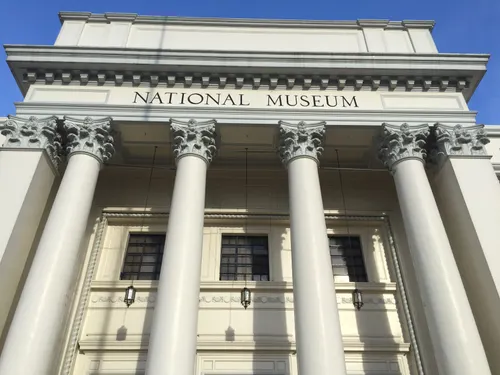
For those who love history, art, and culture, the National Museum is a treasure trove. Located near India Gate, it houses thousands of artifacts spanning more than 5,000 years of Indian heritage. The museum’s impressive collection includes sculptures, manuscripts, paintings, textiles, jewelry, coins, and archaeological artifacts.
Some of its most significant exhibits include items from the Indus Valley Civilization, Buddhist relics, Mughal miniature paintings, and ancient armor. Special exhibitions are held throughout the year, making each visit unique.
The museum offers detailed audio guides and well-organized galleries that make exploration both educational and engaging.
Recommended for: Students, history enthusiasts, and families looking for an enriching experience.
10. Hauz Khas Village & Fort
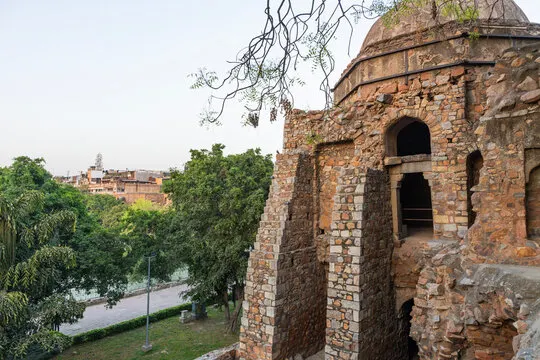
Hauz Khas Village is an energetic urban pocket that blends history, nature, and modern culture. At its heart lies the Hauz Khas Fort, a 14th-century monument built by Alauddin Khilji. The fort overlooks a beautiful lake, making it a popular spot for photography, picnics, and casual strolls.
Surrounding the fort is the modern Hauz Khas Village—a vibrant hub of cafés, boutiques, art galleries, and pubs. Whether you want to shop for quirky fashion, enjoy a rooftop meal, or grab a coffee with friends, HKV has it all.
The contrast between the ancient ruins and the trendy village creates a unique, creative atmosphere that’s especially popular among young travelers and couples.
Best experience: Visit during sunset and then explore the nightlife.
Conclusion: Why Delhi Should Be on Your Travel Bucket List
Delhi is more than just a capital—it’s a living museum where every street has a story. With its majestic monuments, spiritual spaces, vibrant markets, and delicious food scene, the city offers a travel experience like no other. These 10 best places to visit in Delhi represent the perfect blend of history, culture, modernity, and charm.
Whether you’re strolling through Mughal gardens, tasting street food in Chandni Chowk, or enjoying the nightlife of Hauz Khas, Delhi will surprise you at every turn. Each visit promises something new, making it a destination worth exploring again and again.