
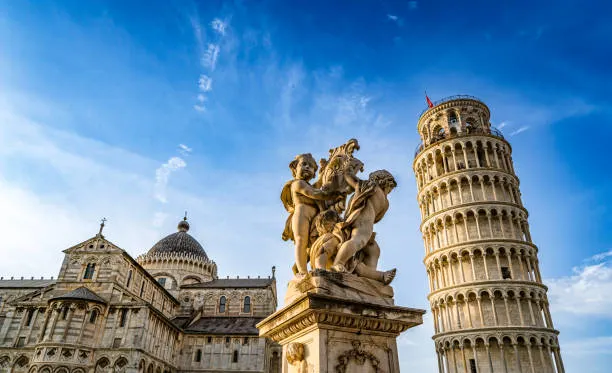
Italy is one of the world’s most beloved travel destinations—an extraordinary tapestry of ancient ruins, Renaissance art, dramatic coastlines, charming villages, and some of the most celebrated cuisine on the planet. Each region of Italy tells a different story, shaped by millennia of history and the diverse cultures that once ruled the peninsula. Whether you’re exploring the bustling piazzas of Rome, cruising through the serene canals of Venice, or hiking along the rugged cliffs of the Amalfi Coast, Italy offers an unforgettable journey for every traveler.
Below is a comprehensive exploration of Italy’s 10 most iconic places, each offering its own unique magic.
1. Rome – The Eternal City
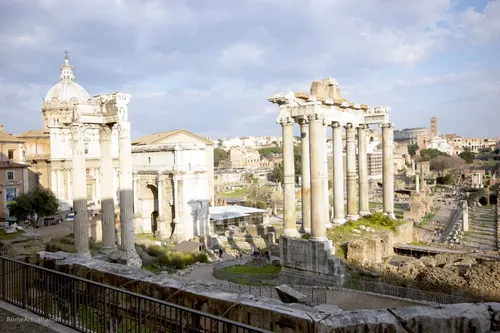
Rome is arguably the most historically significant city in the Western world. Walking through Rome feels like living in an open-air museum, where ancient ruins blend seamlessly with modern life. The Colosseum remains the city’s most iconic symbol—a monumental amphitheater once used for gladiatorial contests and public spectacles. Nearby, the Roman Forum provides a glimpse into ancient Roman public life, where political debates, trade, and celebrations once flourished.
Vatican City, the world’s smallest independent state, houses two of the most important religious and artistic sites: St. Peter’s Basilica and the Sistine Chapel. Michelangelo’s ceiling frescoes in the chapel are one of humanity’s greatest artistic achievements. Wandering through Rome also means stumbling upon beautiful fountains, dynamic piazzas, and charming neighborhoods like Trastevere, where narrow cobblestone lanes host family-run trattorias and lively nightlife.
Rome is also a culinary paradise. Traditional dishes such as carbonara, amatriciana, cacio e pepe, and Roman-style artichokes make dining here an experience in itself. It’s easy to spend days wandering Rome’s streets, finding something remarkable at every corner.
2. Venice – The City of Canals
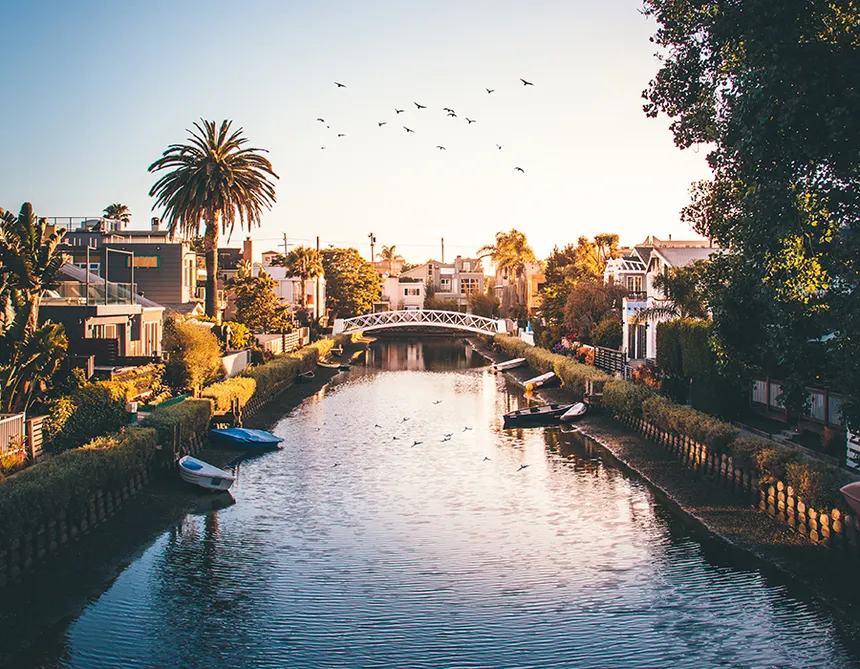
Venice is unlike any other place on Earth. Built on more than 100 small islands connected by canals and bridges, this ethereal city feels almost dreamlike. Its car-free streets and waterways create a peaceful, romantic atmosphere that attracts millions each year.
St. Mark’s Square is the heart of the city, featuring St. Mark’s Basilica, a stunning example of Byzantine architecture adorned with golden mosaics. Adjacent to it stands the Doge’s Palace, once the residence of Venice’s political leader and now an extraordinary museum. A walk along the waterfront promenade, Riva degli Schiavoni, reveals sweeping views of the lagoon and the island of San Giorgio Maggiore.
The Grand Canal, Venice’s main waterway, is lined with Gothic and Renaissance palaces that once belonged to wealthy merchants. Taking a vaporetto (water bus) or a romantic gondola ride offers one of the best perspectives of the city. Venice’s labyrinthine back streets—filled with artisan shops, cafes, and tiny bridges—invite visitors to get lost and stumble upon hidden gems.
Although Venice is well-known for its crowds, nearby islands like Murano, Burano, and Torcello offer quieter escapes. Murano is famous for glassmaking, Burano for colorful houses and lacework, and Torcello for its ancient cathedral. Visiting Venice feels like stepping back in time, wrapped in a sense of mystery and beauty.
3. Florence – The Birthplace of the Renaissance
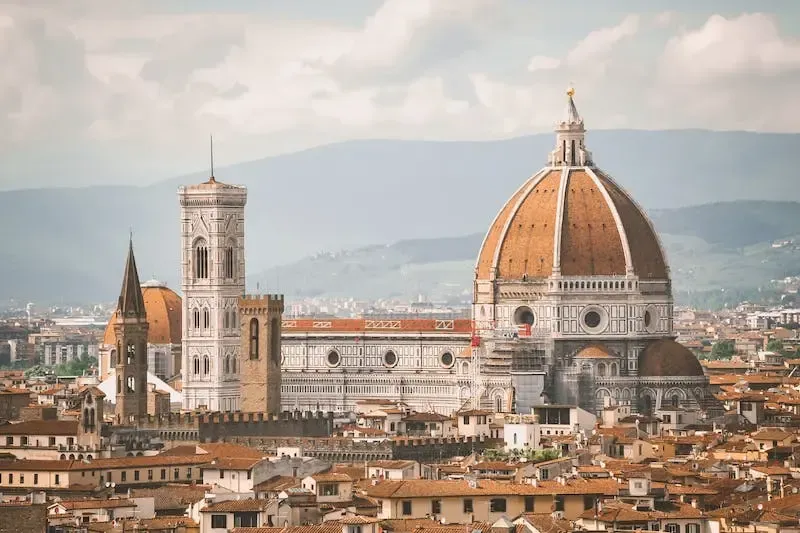
Florence is the artistic soul of Italy. This elegant Tuscan city gave birth to many of the Renaissance’s greatest minds—Michelangelo, Leonardo da Vinci, Botticelli—and nearly every street is connected to an artistic or historical milestone.
The Florence Cathedral, crowned by Brunelleschi’s magnificent dome, dominates the city skyline. Climbing to the top offers breathtaking views of Florence’s red-tiled roofs. Inside the Uffizi Gallery, masterpieces like Botticelli’s Birth of Venus and da Vinci’s early works reveal the extraordinary creativity that defined the Renaissance.
Art lovers should also visit the Accademia Gallery, home to Michelangelo’s David, one of the most celebrated sculptures in the world. Beyond its museums, Florence enchants with its charming piazzas, elegant bridges like the Ponte Vecchio, and bustling markets such as Mercato Centrale.
Food is an essential part of the Florentine experience. Tuscan cuisine is simple yet flavorful—think ribollita, bistecca alla Fiorentina, pappa al pomodoro, and Chianti wine. Florence is compact and walkable, making it ideal for slow, immersive exploration.
4. Amalfi Coast – A Dramatic Coastal Wonder
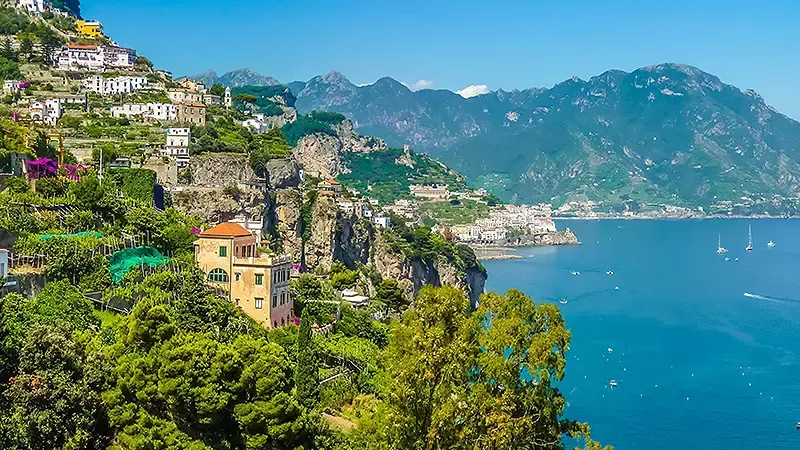
The Amalfi Coast is one of Italy’s most visually striking regions. Stretching along the southern edge of the Sorrentine Peninsula, its dramatic cliffs plunge into the Mediterranean Sea, creating a landscape of unparalleled beauty.
Positano is the coast’s most iconic town, with pastel houses cascading down the cliffside and narrow streets filled with boutiques. Amalfi, once a powerful maritime republic, boasts a stunning cathedral dedicated to St. Andrew. Ravello, perched high above the sea, offers the best views along the coast—its beautiful Villa Cimbrone and Villa Rufolo gardens have inspired artists for centuries.
The coastal road, carved into the cliffs, is exhilarating and offers breathtaking panoramas at every turn. Visitors can also explore Capri, a glamorous island famous for the Blue Grotto, luxury shops, and picturesque viewpoints like Monte Solaro.
The Amalfi Coast is ideal for hiking, with the Path of the Gods being its most famous trail. Between dramatic scenery, delicious seafood, and Mediterranean charm, the Amalfi Coast is a true feast for the senses.
5. Cinque Terre – Five Colorful Seaside Villages
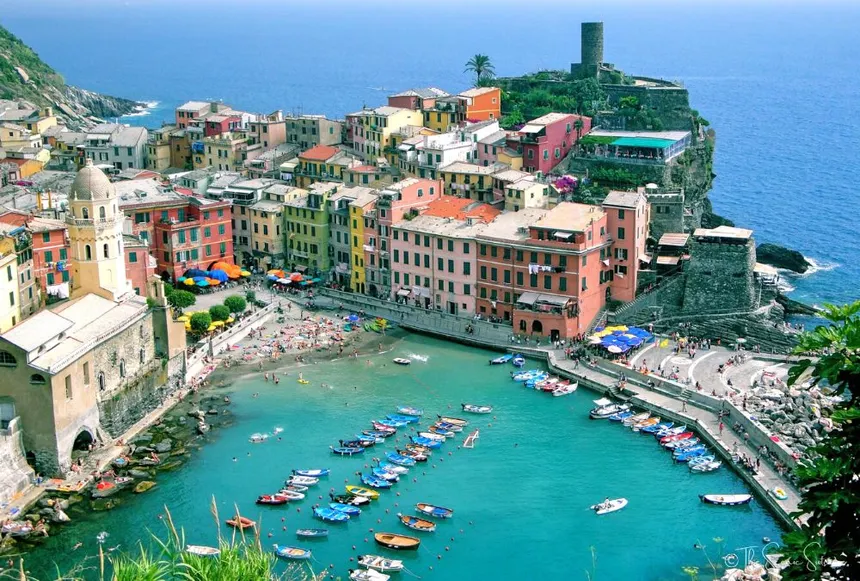
Cinque Terre is a UNESCO World Heritage Site comprised of five small villages: Monterosso, Vernazza, Corniglia, Manarola, and Riomaggiore. Perched dramatically on cliffs overlooking the Ligurian Sea, these villages are famous for their brightly colored houses, terraced vineyards, and rugged coastal trails.
The best way to experience Cinque Terre is by hiking. The Sentiero Azzurro (Blue Trail) connects the villages and offers spectacular views of the sea and vineyards. Vernazza is often considered the most picturesque, with its natural harbor and pastel buildings. Manarola is ideal for sunset photographs, while Riomaggiore offers dramatic coastal scenery.
Unlike more polished destinations, Cinque Terre still feels authentic and rustic. Local cuisine features fresh seafood, anchovies, pesto (which originated in Liguria), and locally produced white wines. Cinque Terre offers an enchanting mix of nature, charm, and simple Italian coastal living.
6. Milan – The Fashion and Design Capital
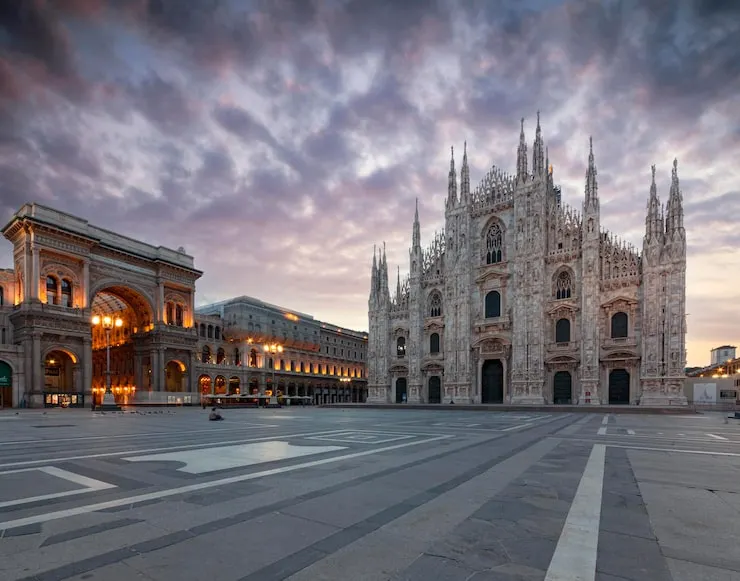
Milan is Italy’s modern metropolis, buzzing with innovation, business, fashion, and design. But beyond its contemporary image, Milan is steeped in rich culture and history. The city’s most iconic landmark, the Milan Cathedral (Duomo), is a Gothic masterpiece that took nearly six centuries to complete. Visitors can climb to the rooftop for a sweeping view of the city and its intricate spires.
Nearby stands the Galleria Vittorio Emanuele II, one of the world’s oldest shopping arcades, with luxury boutiques and elegant cafés. Art enthusiasts shouldn’t miss Leonardo da Vinci’s Last Supper, housed in the Convent of Santa Maria delle Grazie. Tickets must usually be reserved well in advance due to high demand.
Milan’s dynamic neighborhoods each offer something unique. Brera is artistic and bohemian, Navigli is known for its nightlife and canals, and Porta Nuova represents the city’s sleek, contemporary side with futuristic skyscrapers. Food lovers will enjoy Milanese specialties like risotto alla milanese, ossobuco, and panettone.
Milan is ideal for travelers seeking a blend of high culture, cutting-edge fashion, and urban sophistication.
7. Tuscany – Rolling Hills, Vineyards, and Medieval Towns
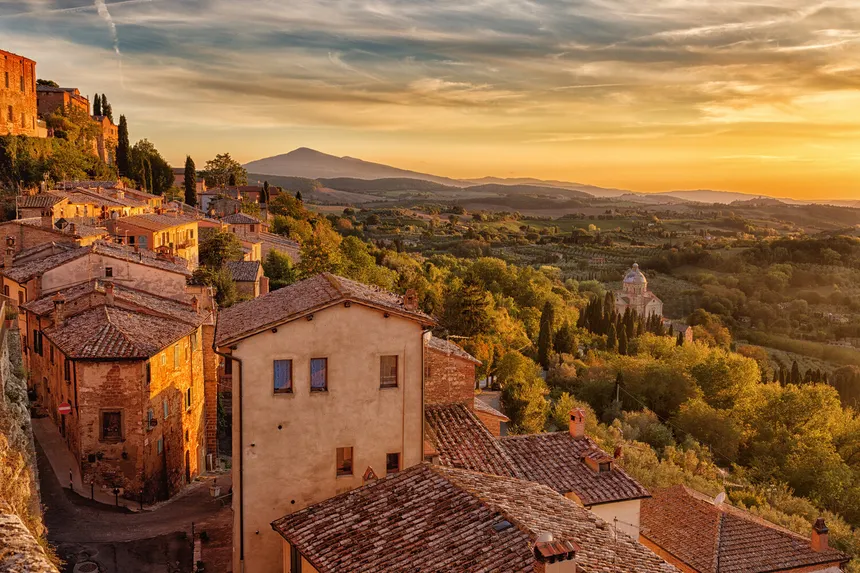
While Florence is Tuscany’s cultural centerpiece, the region’s countryside is an attraction in its own right. With its rolling hills, cypress-lined roads, vineyards, and ancient villages, Tuscany captures the romantic essence of rural Italy.
Siena, one of Tuscany’s most beautiful medieval cities, is famous for the Palio horse race, which takes place in the magnificent Piazza del Campo. The city’s Gothic cathedral is a masterpiece of Italian architecture. San Gimignano, known as the “Town of Fine Towers,” enchants visitors with its skyline of medieval tower houses.
Wine lovers should explore Chianti, where some of Italy’s finest wines are produced. The Val d’Orcia region, featuring Pienza, Montalcino, and Montepulciano, offers postcard-perfect landscapes and exceptional cuisine. Truffles, pecorino cheese, handmade pasta, and world-class red wines are essential parts of the Tuscan experience.
Tuscany is ideal for slow travel—staying in a farmhouse (agriturismo) among vineyards, exploring hilltop villages, and savoring meals that celebrate local ingredients.
8. Naples & Pompeii – History, Culture, and a Unique Spirit
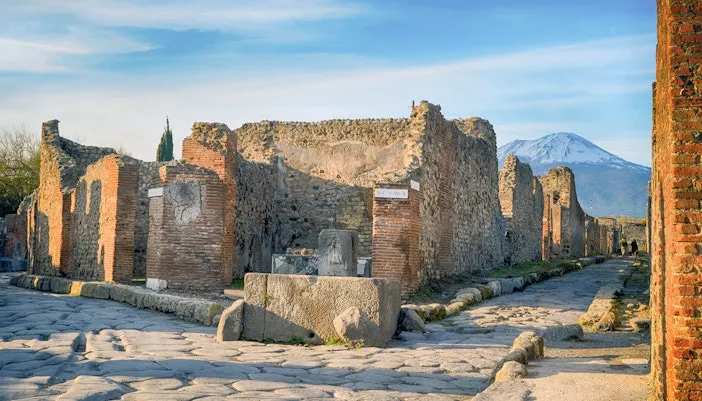
Naples is one of Italy’s most vibrant and culturally rich cities. While it may feel chaotic compared to northern Italian cities, Naples offers an unparalleled authenticity. It’s the birthplace of pizza, and tasting an authentic Neapolitan margherita is a culinary pilgrimage in itself.
The historic center of Naples is a UNESCO site filled with narrow streets, ancient churches, underground catacombs, and bustling markets. The National Archaeological Museum houses some of the most important artifacts from ancient Rome and Pompeii.
A short train ride from Naples brings travelers to Pompeii and Herculaneum, ancient cities frozen in time by the eruption of Mount Vesuvius in 79 AD. Walking through the remarkably preserved streets, homes, and bathhouses provides a rare glimpse into everyday life 2,000 years ago.
For stunning views, visitors can hike up Mount Vesuvius or take a ferry to nearby islands like Capri, Ischia, and Procida. Naples is raw, energetic, and unforgettable—a city that rewards travelers who embrace its lively spirit.
9. Lake Como – Italy’s Most Elegant Lake
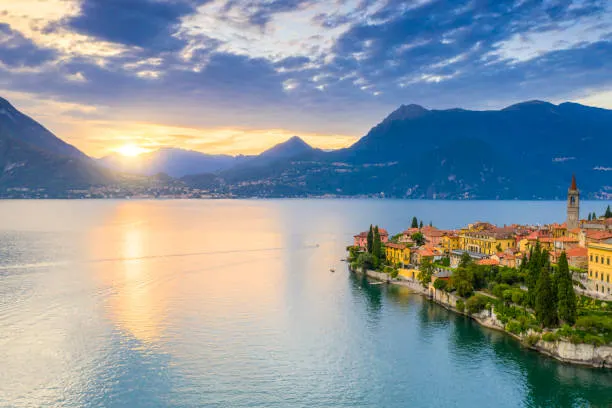
Lake Como is synonymous with beauty, serenity, and luxury. Surrounded by dramatic mountains and charming lakeside towns, Como has long attracted aristocrats, artists, and celebrities. The lake’s shimmering waters and lush gardens create an atmosphere of relaxed elegance.
The town of Como offers historical attractions like the cathedral and funicular rides with panoramic views. Bellagio, often called the “Pearl of the Lake,” is known for its elegant villas, narrow lanes, and stunning waterfront. Varenna is quieter but equally beautiful, with its romantic promenade and historic Castello di Vezio.
Villa Carlotta and Villa del Balbianello are two of the lake’s most famous estates, featuring lush botanical gardens and sweeping views. Lake Como is ideal for boat trips, scenic hikes, and enjoying long, leisurely meals by the water.
10. Sicily – An Island of Culture, Cuisine, and Natural Wonders
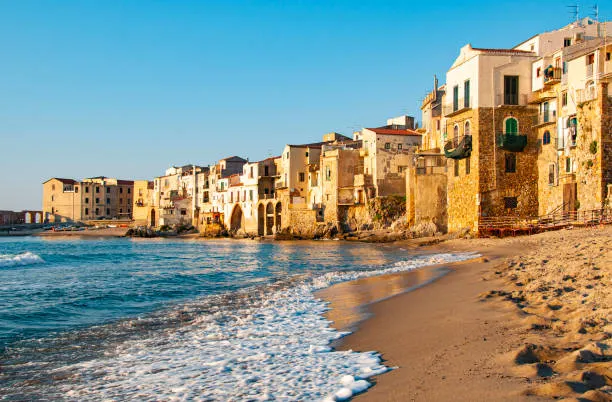
Sicily is Italy’s largest island and a melting pot of Mediterranean cultures, shaped by Greek, Roman, Arab, Norman, and Spanish influences. Its diversity is reflected in its architecture, food, and traditions.
Palermo, the island’s capital, boasts vibrant street markets, Norman palaces, and unique churches that blend Arab, Byzantine, and European styles. On the eastern side, Taormina enchants visitors with its ancient Greek theater, dramatic sea views, and proximity to Mount Etna, Europe’s most active volcano.
Sicily’s culinary scene is one of the richest in Italy. Arancini, cannoli, granita, pasta alla norma, fresh seafood, and blood oranges are just a few highlights. The Valley of the Temples in Agrigento features some of the best-preserved Greek temples in the world, while the Baroque towns of the Val di Noto offer exquisite architecture.
Sicily is an ideal destination for travelers seeking history, nature, beaches, and remarkable food in one place.
Final Thoughts
Italy is a country that offers endless discovery. Each of these ten destinations showcases a different facet of Italian culture—from ancient empires and Renaissance art to rugged coastlines and culinary excellence. Whether it’s your first visit or your tenth, Italy always finds a way to surprise and captivate.